The ABCs of PrEP and PEP: What They Are and How They Can Protect You
The ABCs of PrEP and PEP: What They Are and How They Can Protect You
Let’s talk about something incredibly important for your health and peace of mind. We’re going to break down two powerful tools in the fight against HIV: PrEP (Pre-Exposure Prophylaxis) and PEP (Post-Exposure Prophylaxis).
If you’ve heard these terms but aren’t quite sure what they mean, you’re not alone. The world of HIV prevention has changed dramatically in recent years, and it’s time to get up to speed. This isn’t just about protecting yourself; it’s about taking control of your sexual health, reducing anxiety, and living life to the fullest.
So, let’s get into it.
Part 1: Your Prevention Superpower – Understanding PrEP
Imagine you have a suit of armor you can put on before going into a situation where you might face a challenge. That’s essentially what PrEP is.
PrEP stands for Pre-Exposure Prophylaxis.
“Pre-Exposure” means you take it before you’re exposed to HIV. “Prophylaxis” is a medical term for an action taken to prevent a disease.
Think of it like this: if you’re going to a country where malaria is common, you might take an anti-malarial pill beforehand. You’re preparing your body to fight off the infection just in case. PrEP works in a similar way.
How does PrEP work?
PrEP is a daily pill (or an injectable in some cases) that contains two different medicines. These medicines work together to prevent HIV from establishing itself in your body.
Licensed by Google
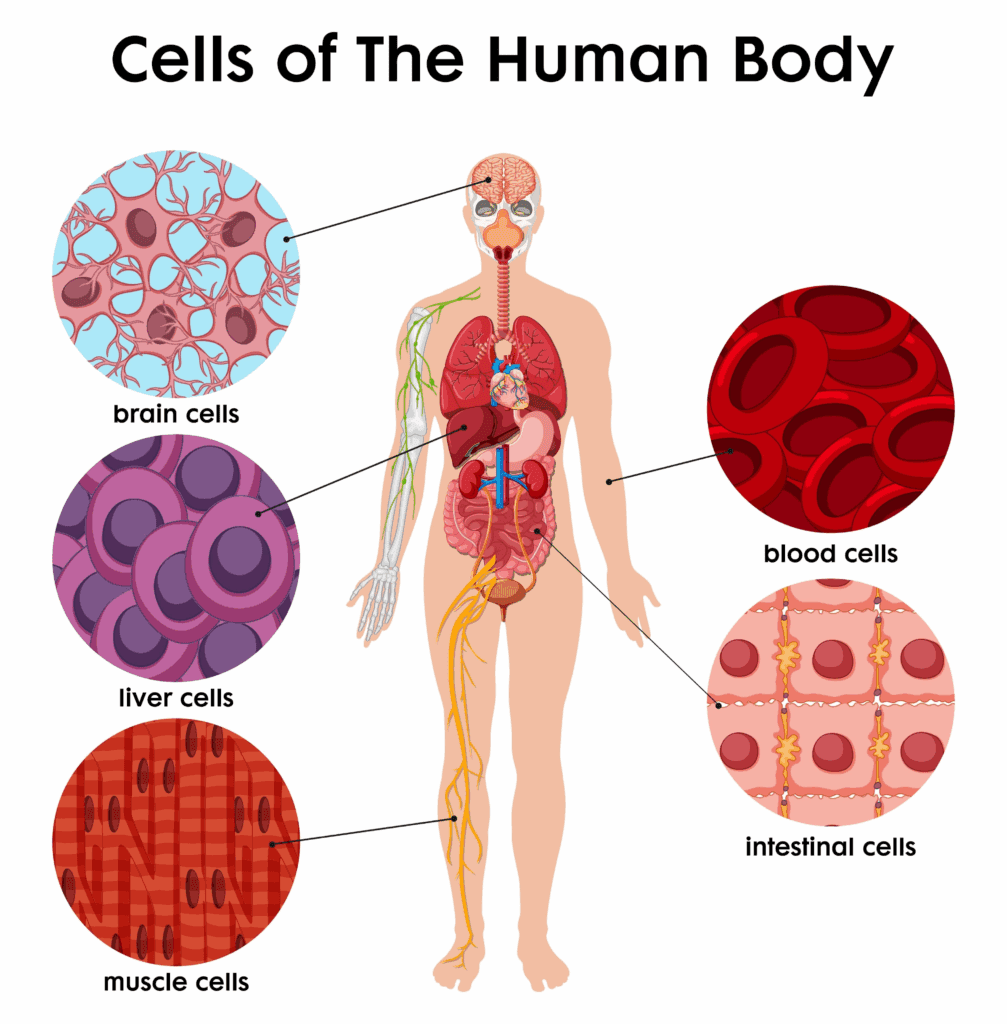
When HIV enters your system, it needs to get inside your healthy cells and make copies of itself to spread. The active ingredients in PrEP, tenofovir and emtricitabine, act as a barrier. They block a crucial enzyme that HIV needs to replicate. So, if the virus tries to get a foothold, the PrEP medicine is already there, stopping it dead in its tracks.
Who is PrEP for?
PrEP is for anyone who is HIV-negative and at risk of getting HIV. This isn’t just for one group of people; it’s a powerful tool for everyone.
This includes:
- People in relationships with an HIV-positive partner (especially if their partner is not on effective treatment or has a detectable viral load).
- People who have sex without a condom.
- Individuals who have had a recent STI. Having an STI can increase your risk of getting HIV.
- Anyone who injects drugs and shares needles or other injection equipment.
Is PrEP safe?
Yes! PrEP is incredibly safe and has been studied extensively for years. Like any medication, it can have some side effects, but they are usually mild and go away after the first few weeks. The most common side effects are nausea, headaches, or a temporary decrease in appetite. More serious side effects are rare. Your doctor will monitor your health with regular check-ups to make sure you’re doing well.
Does PrEP replace condoms?
This is a key question. While PrEP is highly effective at preventing HIV, it does not protect you from other STIs like gonorrhea, chlamydia, syphilis, or herpes. Condoms remain an excellent tool for preventing a wide range of STIs and can be used in combination with PrEP for comprehensive protection.
The Bottom Line on PrEP: It’s a proactive, daily choice you make for your health. It gives you control, reduces worry, and empowers you to have a safe and fulfilling sex life.
Part 2: Your Emergency Backup Plan – Understanding PEP
Now, let’s talk about the backup plan. The “oh-no” moment. Life happens. Condoms break. Something unexpected occurs. What do you do?
That’s where PEP comes in.
PEP stands for Post-Exposure Prophylaxis.
“Post-Exposure” means you take it after you may have been exposed to HIV.
Think of PEP like an emergency fire extinguisher. You don’t take it every day. You only use it immediately after an incident to put out a potential fire before it has a chance to spread.
How does PEP work?
PEP is a combination of HIV medications that you take for 28 days. When taken quickly after a potential exposure, these medications can stop the virus from replicating and spreading throughout your body, preventing it from taking hold.
The Golden Window: Timing is everything with PEP. You must start taking it as soon as possible, ideally within 24 hours, and no later than 72 hours after the potential exposure. After 72 hours, the chance of PEP being effective drops significantly. This is why it’s so important to seek help immediately.
Who is PEP for?
PEP is for someone who is HIV-negative and believes they have just been exposed to HIV. This could be due to:
- Unprotected sex with a partner whose HIV status is unknown or HIV-positive.
- Sharing needles or other drug injection equipment.
- Experiencing a sexual assault.
- Healthcare workers who may have been exposed through a needle stick.
How do I get PEP?
Because of the urgency, you should not wait to make a regular doctor’s appointment. You need to go to an emergency room, an urgent care clinic, or a dedicated HIV clinic immediately. Explain your situation, and they will assess your risk and, if appropriate, prescribe the PEP medication.
The Bottom Line on PEP: It’s your last-resort safety net. It’s not a substitute for ongoing prevention strategies like PrEP or condoms, but it can be a literal lifesaver in a moment of crisis.
Part 3: PrEP vs. PEP – The Key Differences Explained
Here’s a quick summary to help you remember the difference between these two powerful tools.
| Feature | PrEP (Pre-Exposure Prophylaxis) | PEP (Post-Exposure Prophylaxis) |
| When you take it | Before potential exposure | After a potential exposure |
| How often | A daily pill (or periodic injection) | A 28-day course of pills |
| Purpose | To prevent HIV from ever entering your cells | To stop the virus from replicating after exposure |
| Timeline | An ongoing, long-term strategy | An emergency, short-term treatment |
| Analogy | A suit of armor | An emergency fire extinguisher |
Export to Sheets
Part 4: FAP is Here to Help You Navigate It All
This information might seem like a lot, but you don’t have to figure it out alone. At the Foothill AIDS Project (FAP), our mission is to make sure you have all the tools and support you need to protect your health and live your life without fear.
Whether you’re curious about PrEP, think you might need PEP, or just want to talk to someone about your sexual health, we are here for you. We can help with:
- Finding a healthcare provider who can prescribe PrEP or PEP.
- Navigating the costs. Many insurance plans cover PrEP, and there are assistance programs for those who are uninsured or underinsured. We can help you with the paperwork.
- Providing confidential and non-judgmental information so you can make the best choices for your life.
- Offering HIV testing and linking you to care.
HIV prevention has never been more powerful or accessible. You have the power to protect yourself and your partners. Start the conversation with a healthcare provider or reach out to us today. Your health and peace of mind are worth it.